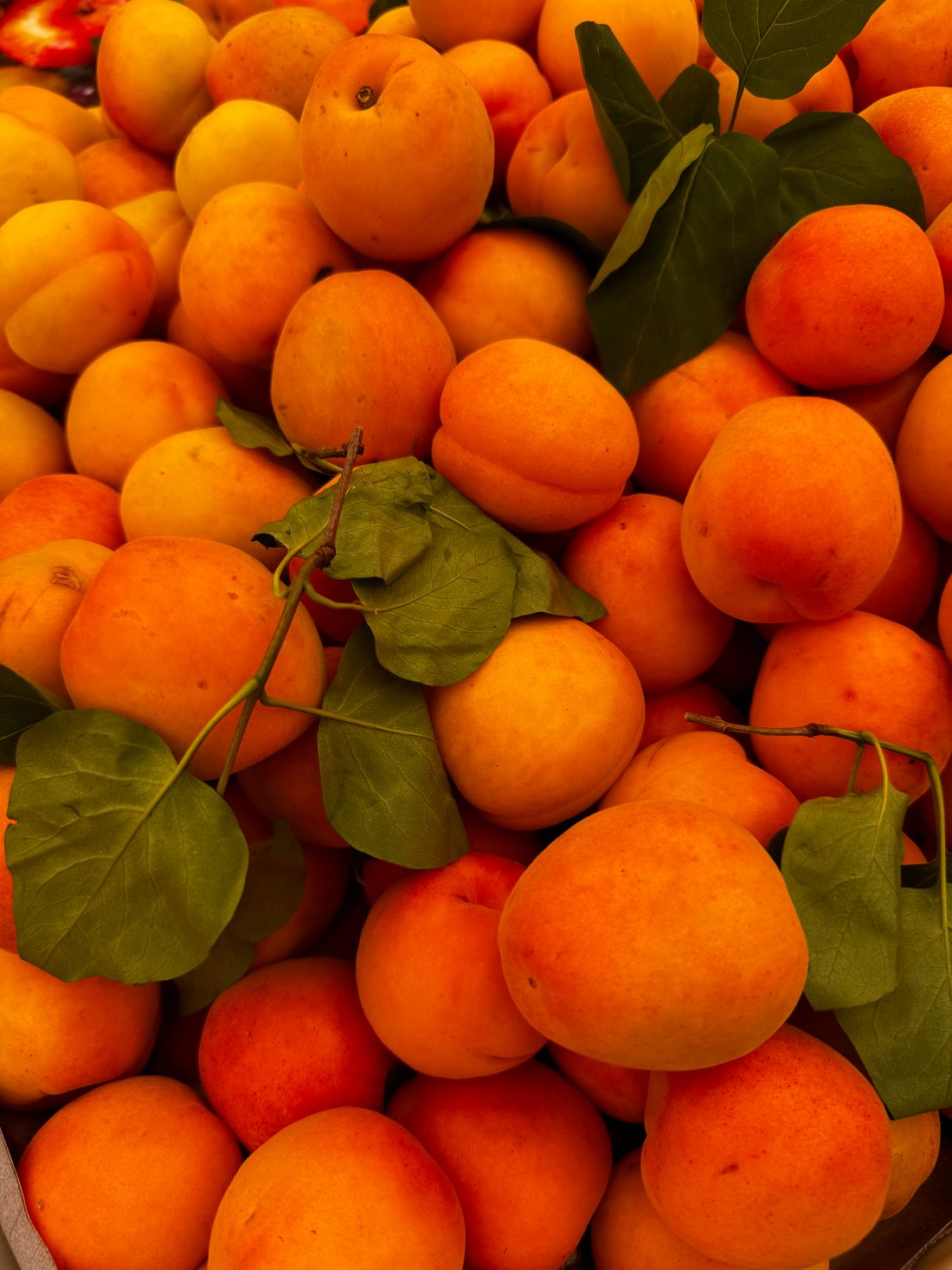
Apricot Season Is Fleeting: How to Catch the Market's Most Underrated Summer Fruit
If you blink in June, you'll miss them. Apricots have one of the shortest seasons of any fruit at the farmers market — a window of just a few weeks, usually from mid-June into the first part of July, when the tables fill with small, blushing orange globes and then, almost as quickly, empty again. They're the quiet stars of early summer: overshadowed by showier peaches and cherries, but, when you catch one at its peak, every bit as good.
The catch is that a great apricot and a disappointing one look almost identical. Most people's only experience of the fruit comes from the grocery store, where apricots are picked rock-hard and pale so they can survive shipping — and they never recover. A tree-ripened apricot from a local grower is a different fruit entirely: honeyed, floral, and so tender it's almost jammy. The next few weeks are your chance to taste the real thing.
Why Market Apricots Are Worth Seeking Out
Apricots are notoriously bad travelers. They bruise if you look at them sideways, and unlike a banana or a pear, they don't sweeten much after picking — they only soften. That's why supermarket apricots, harvested early for the long haul, so often taste mealy and sour. Flavor in an apricot develops on the branch, in the sun, right up until the moment it's picked.
A grower selling at your local market doesn't have that problem. Their fruit was picked closer to ripe, sometimes that very morning, and traveled a few miles instead of a few thousand. That short trip is the entire difference between a forgettable apricot and one you'll remember until next June.
How to Pick a Perfect One
Choosing well comes down to your nose and your hands more than your eyes. Start with color: you want a deep, saturated orange — sometimes with a rosy blush on one cheek — and no trace of green, which signals the fruit was picked too early and won't ripen into anything good. A little freckling or a few sun spots are nothing to worry about; they're often a sign the fruit ripened slowly and fully.
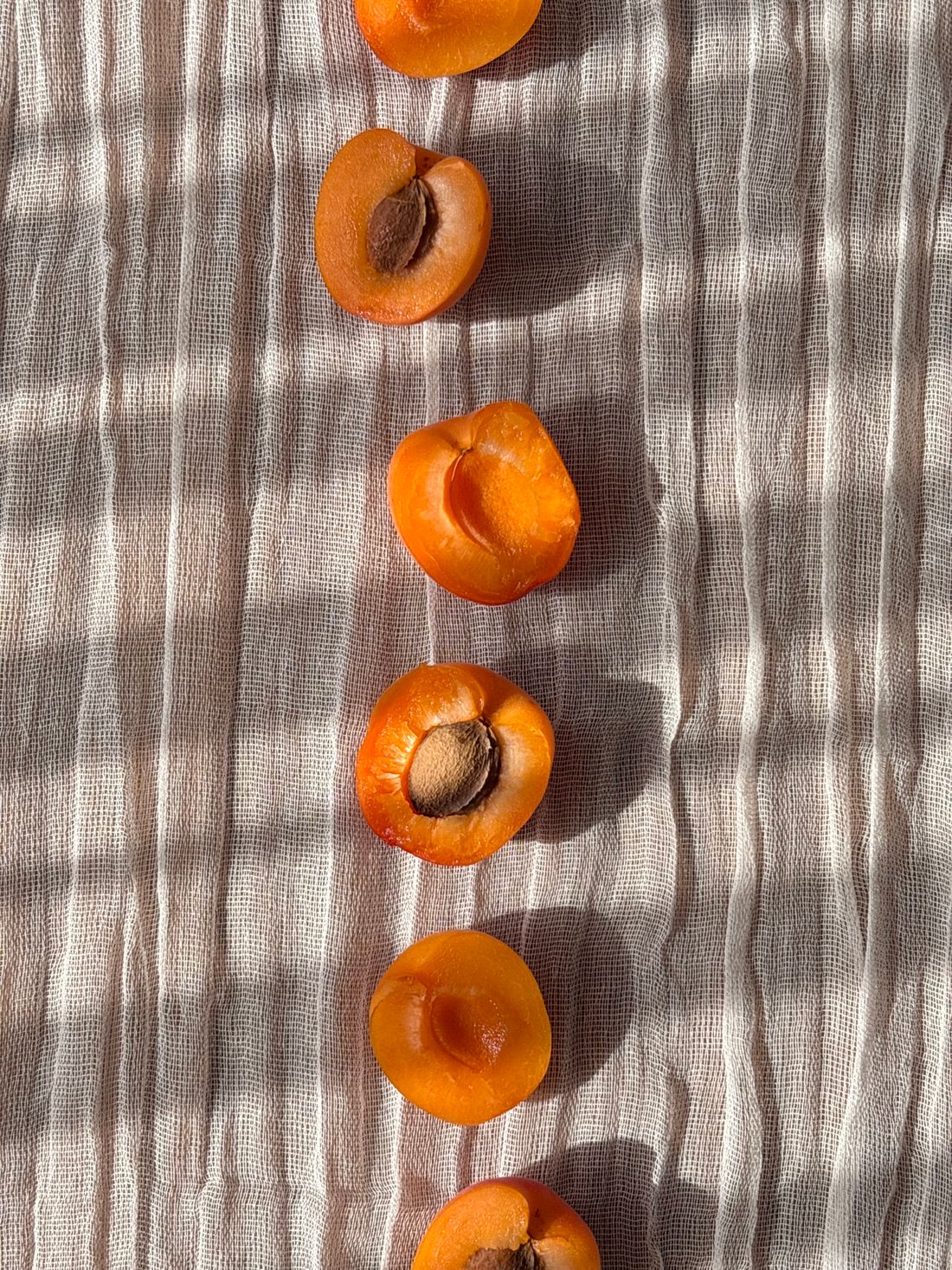
Then pick one up. A ripe apricot should feel plump and give slightly when you press gently near the stem, the way a ripe peach does — firm but not hard, soft but not mushy. Finally, smell it. This is the real test: a good apricot is fragrant and sweet even before you bite in. If it smells like nothing, it'll likely taste like nothing. And as always at the market, don't be shy about asking the grower for a sample — they know exactly which trees are hitting their stride this week.
Ripening and Storing
If your apricots are firm when you get them home, leave them out at room temperature for a day or two and they'll soften and grow more fragrant. To speed things along, tuck them into a paper bag, which traps the natural ethylene gas they give off. Keep them out of direct sun and don't refrigerate them while they're still firm — cold halts the ripening and can leave the flesh dry and cottony.
Once they're soft and ripe, the clock starts ticking. Move them to the fridge if you can't eat them right away, and try to use them within a few days. Handle them gently the whole time; a single bruised apricot will turn quickly and take its neighbors with it.
What to Do With a Basket of Them
A perfectly ripe apricot needs nothing but your hands, eaten over the sink. But the season is short and the baskets are generous, so it pays to have a few ideas ready.
Heat brings out their best. Halve and pit them, brush the cut sides with a little oil, and grill them for a few minutes until caramelized — wonderful alongside grilled pork or spooned over vanilla ice cream. Or roast them with a drizzle of honey and a sprig of thyme until they slump and turn syrupy. Apricots also lean savory beautifully: slice them into a salad with arugula, toasted almonds, and a crumble of goat or blue cheese, or layer them onto a cheese board where their tartness cuts through rich, creamy wedges.
And if you've bought more than you can eat fresh — which is easy to do — apricots make some of the best jam there is, their natural tartness keeping the preserve bright rather than cloying. You can also halve, pit, and freeze them on a sheet pan, then bag them up for smoothies and cobblers long after the season has closed.
Catch Them While You Can
That's the thing about apricots: their fleeting season is exactly what makes them special. Unlike the fruit that's available year-round in every supermarket, apricots ask you to pay attention, to show up at the right few weeks and take them while they're here. The next time you pass a table stacked with those small orange globes, stop. Buy a basket, ask the grower how they like to eat them, and taste early summer at its most delicate — before it's gone for another year.