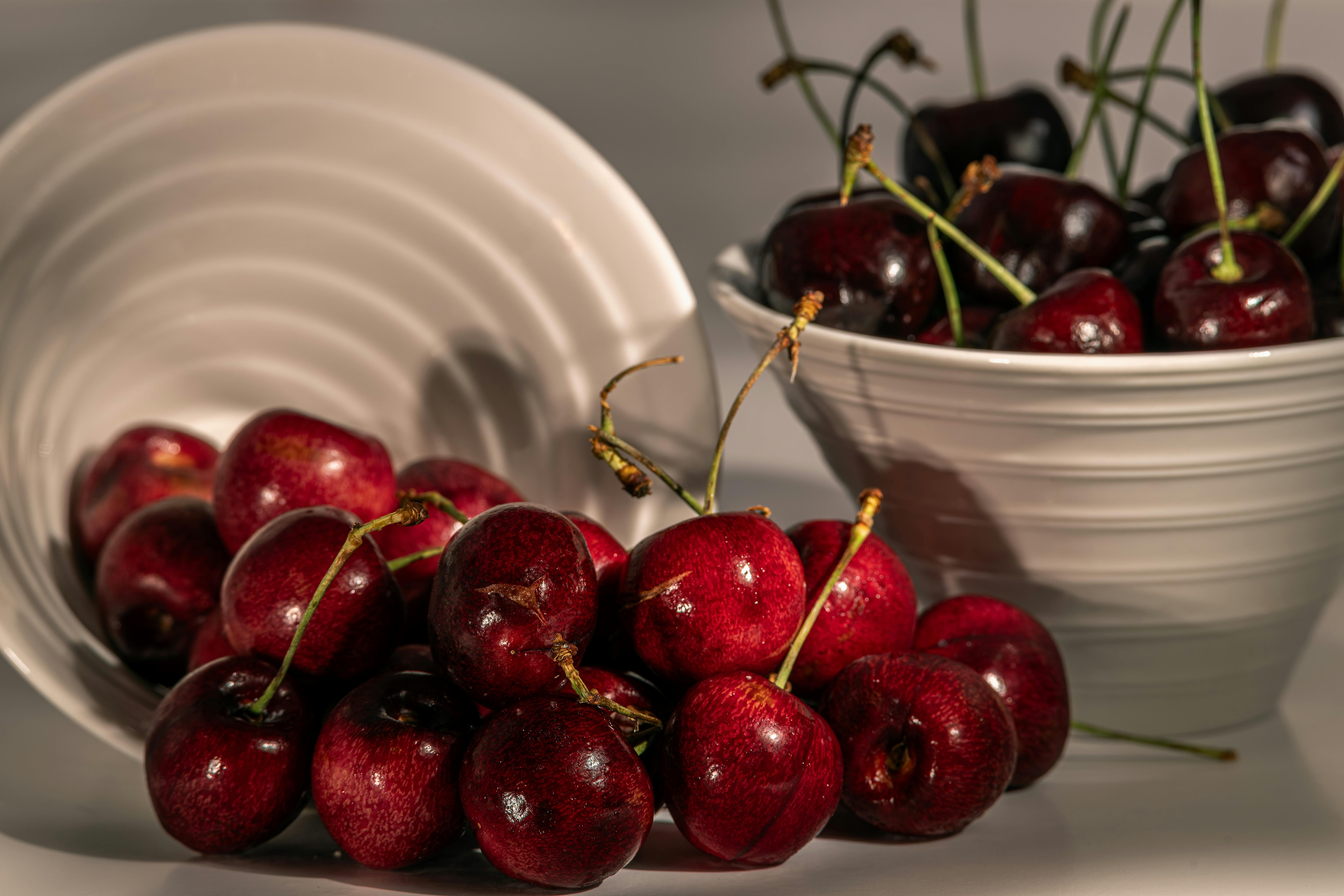
Fresh Cherries at the Farmers Market: Your Guide to the Shortest Season of Summer
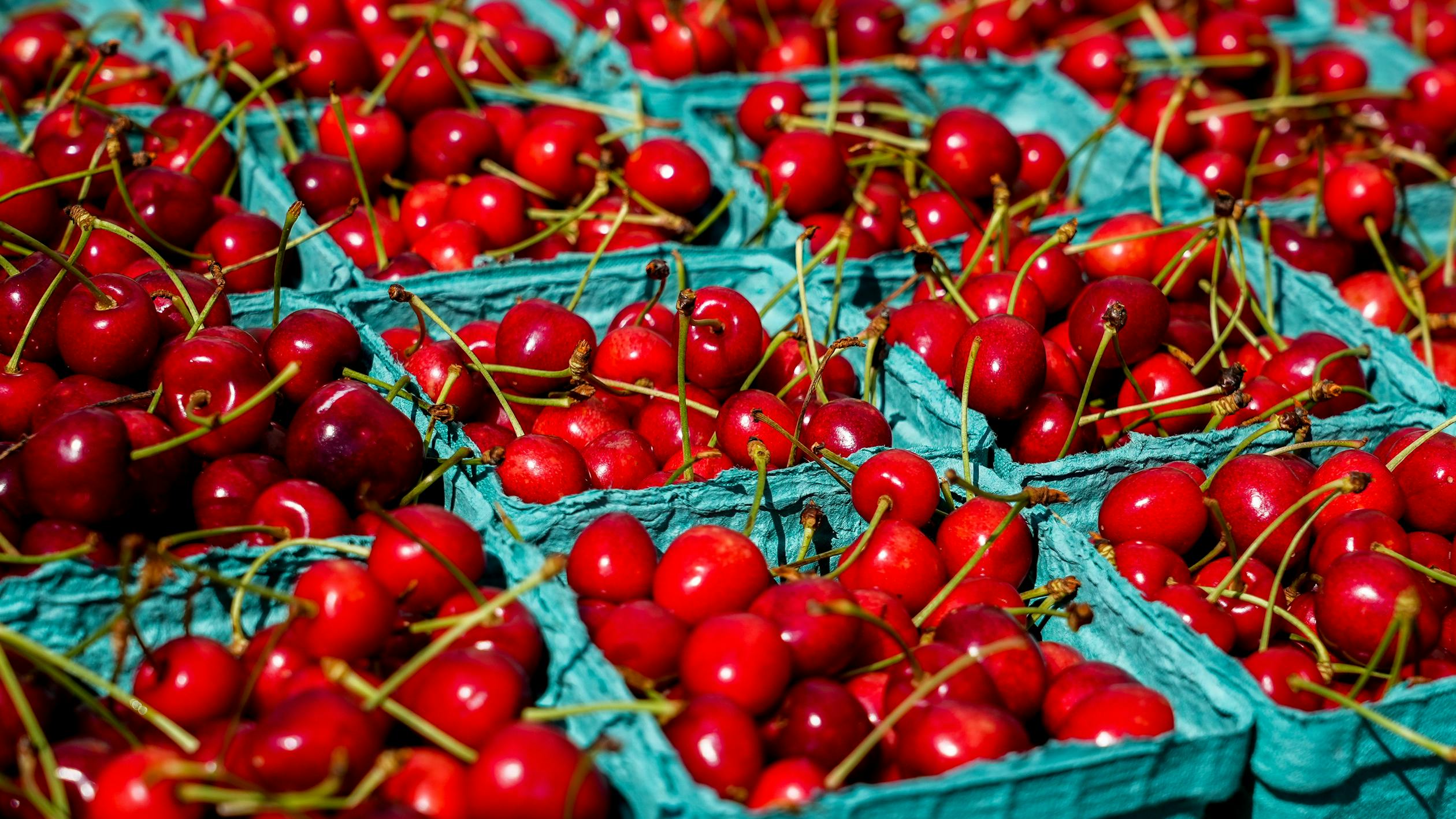
Cherry season has arrived, and if you blink, you'll miss it. The window runs roughly six weeks — late May through early July in most of the country — and the cherries showing up at your local farmers market right now are a completely different fruit from the ones that sit in plastic clamshells at the supermarket for two weeks before you buy them. Market cherries were picked yesterday or the day before. They're firm, deeply colored, and so sweet they make you wonder what you've been eating all this time.
This is the season to pay attention. Here's how to make the most of it.
Why Farmers Market Cherries Are Worth the Trip
The difference between a grocery store cherry and a farmers market cherry comes down to timing. Commercial cherries are picked slightly underripe so they can survive packing, shipping, and sitting in a distribution center. By the time they reach the store shelf, they're often soft in the wrong places, dull in color, and missing that sharp sweetness that makes a great cherry great.
Market cherries skip that entire chain. Your local grower picks at full ripeness because the fruit only needs to survive a short drive to the market and a few hours on a table. The result is a cherry that's darker, firmer, and sweeter — the kind of cherry that stops a conversation when you bite into it.
Most farmers market vendors also grow varieties you'll never see in a grocery store. Rainier cherries — those pale gold-and-blush beauties — are too delicate for long-distance shipping, which makes the market one of the few places to find them truly fresh. Dark sweet varieties like Bing, Lapins, and Sweetheart show up at different points in the season, so asking your grower what's peaking this week is always worthwhile.
How to Pick the Best Ones
Choosing cherries at the market is simpler than you'd think. Look for three things:
Stems still attached and green. The stem is a freshness indicator — once it dries out and turns brown, the cherry is past its prime. A green, pliable stem means the cherry was picked recently and handled carefully.
Firm skin with a deep, glossy color. Whether you're buying dark reds or Rainiers, the skin should be taut and shiny, not wrinkled or dull. A slight give when you squeeze gently is fine; mushiness is not.
Heavy for their size. Pick up a handful. Good cherries feel dense with juice. If they feel light or hollow, move on.
Most vendors will let you taste one before buying — take them up on it. The difference between a good batch and a great batch is obvious the second it hits your tongue.
What to Do With Them Before They're Gone
Fresh cherries keep five to six days in the coldest part of your refrigerator, stored unwashed in a single layer if possible. Washing them before you're ready to eat accelerates spoilage, so resist the urge to rinse the whole bag when you get home.
Here's how to use a farmers market haul before the season ends:
Eat them straight. This sounds obvious, but it bears repeating. A bowl of peak-season cherries after dinner, stems on, is one of the simplest and best desserts that exists. No preparation, no recipe, no dishes. Just a bowl and a napkin.
Cherry clafoutis. The classic French custard dessert was invented for cherries. Blend eggs, sugar, flour, cream, and vanilla into a batter, pour it over whole pitted cherries in a buttered baking dish, and bake at 350°F for about 40 minutes. The batter puffs up around the fruit and sets into something between a pancake and a custard. It's the kind of dessert that makes people think you worked hard when you didn't.
Quick-pickled cherries. Pit a pound of cherries, bring a cup of red wine vinegar with a half cup of sugar and a pinch of salt to a simmer, pour it over the cherries, and refrigerate. They're ready in two hours and they last two weeks. Toss them on a salad, serve them alongside grilled pork or chicken, or pile them on top of a cheese plate. This is one of the best ways to extend the season by a couple of weeks.
Freeze for later. Pit the cherries, spread them on a baking sheet in a single layer, freeze solid, then transfer to a freezer bag. They'll keep for six months and work beautifully in smoothies, cobblers, and winter baking. You'll thank yourself in January.
Stir them into salads. Halved cherries, arugula, crumbled goat cheese, toasted walnuts, and a light balsamic vinaigrette is one of the great early-summer salads. The sweetness of the cherry against peppery arugula is a combination that works every single time.
The Clock Is Ticking
Cherry season is one of those windows that feels infinite when it starts and impossibly short when it ends. The cherries at your market this weekend are at or near their peak. In three weeks, depending on your region, they'll start thinning out. In five weeks, they'll be gone entirely.
Buy more than you think you need. Eat them fresh, bake one clafoutis, pickle a jar, and freeze a bag. That's the full cherry season playbook, and your farmers market is the best place to run it.
The season is short. The cherries are here. Go get them.