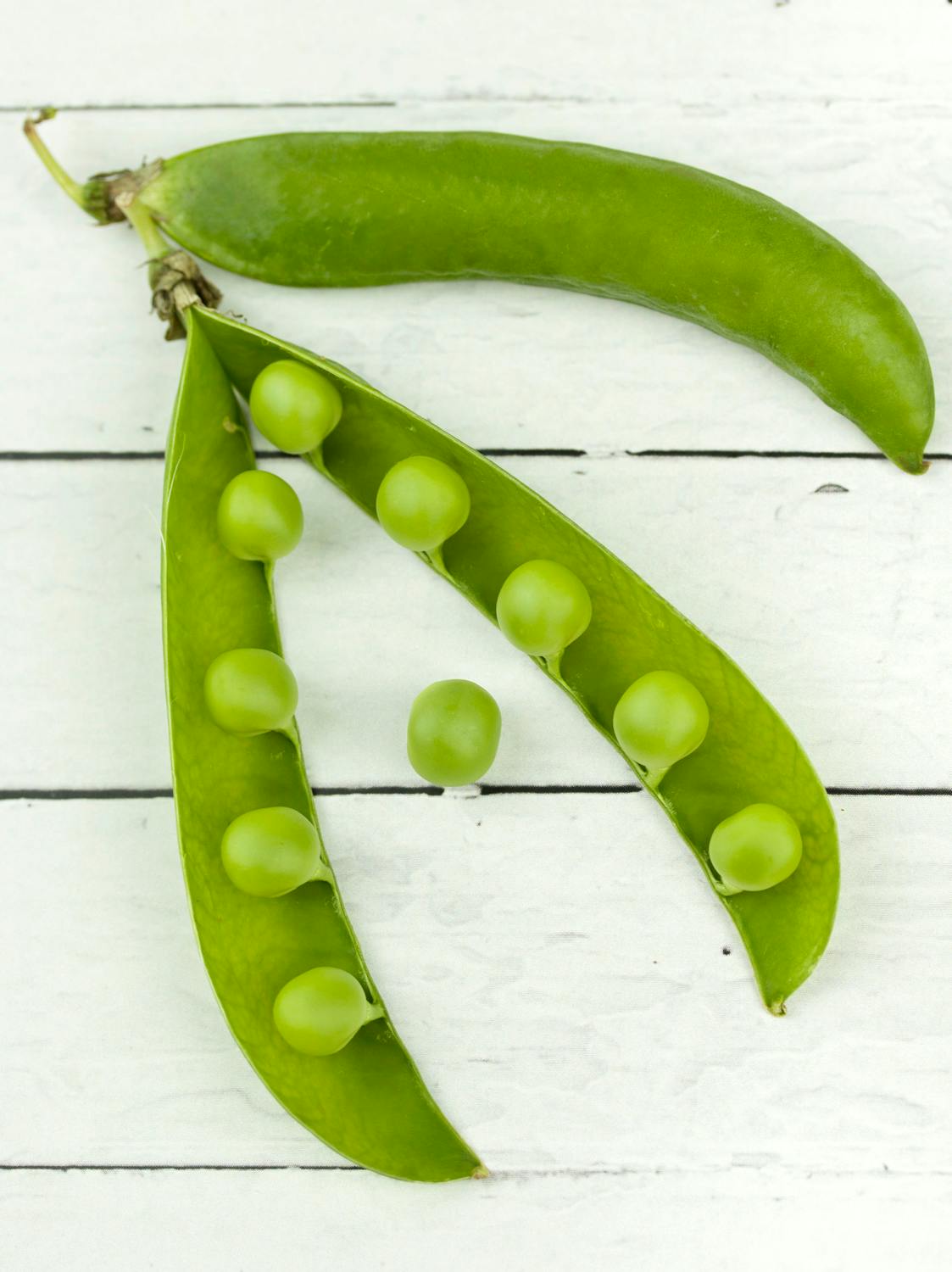
The Spring Secret Your Farmers Market Doesn't Advertise: Fresh English Peas
The Spring Secret Your Farmers Market Doesn't Advertise: Fresh English Peas
If you've been walking past those fat, bright green pods at your farmers market without a second glance, it's time we had a talk. Fresh English peas — shelling peas, garden peas, sweet peas — are one of the great fleeting joys of spring, and they're only available for a matter of weeks. Unlike virtually every other vegetable you'll encounter, fresh peas from the market are so different from their canned or frozen counterparts that they might as well be a completely different food.
This is the week to pay attention. Late March through early May is your window, and farmers markets are where you'll find them.
Why Fresh Peas Are Different — Actually Different
Here's something most people don't know: the moment a pea is harvested, its natural sugars start converting to starch. That's why frozen peas (which are flash-frozen within hours of picking) beat canned peas every time in flavor. But fresh peas from your farmers market, picked that morning or the day before? They're in a category entirely their own.
The first English peas of the season are some of the sweetest, most tender produce you'll find all year. We're talking a delicate, almost floral sweetness with a satisfying pop when you bite into one. Plenty of shoppers at markets will eat them raw, straight from the pod, standing right there in the aisle — and you should too.
The community of farmers market regulars knows this secret. That's why the best vendors tend to sell out of fresh peas before mid-morning. Get there early.
How to Pick Perfect Peas at the Market
You'll know a great pod when you see it:
Look for: Bright, glossy green pods that are plump and firm. The pod should feel full — like it's bursting with peas inside. Dry stems are a good sign of freshness. Give the pod a gentle flex; it should feel crisp, not soft or rubbery.
Avoid: Yellow or blotchy pods (old), flat pods (underdeveloped peas inside), or pods with damp, slimy patches. Wilted or dull-looking pods mean they've been sitting too long.
When you shop from a small farm stand, don't be shy about asking the farmer when they were picked. Good farmers love this question — it means you understand what makes their produce special. And if you see multiple varieties, ask about the differences. Sugar snaps, snow peas, and shelling peas all have their own personalities at the market this time of year.
Shelling Peas: The Meditative Part
You'll need to shell English peas before eating them, and honestly, once you get into a rhythm, it's one of the most pleasant spring kitchen tasks there is. Simply pinch or snap the stem end, pull the string down the seam of the pod, and run your thumb down the inside to pop the peas out.
A few tips to make it even easier:
- Don't shell until you're ready to cook. Peas stay fresher, sweeter, and longer-lasting inside their pods. In the fridge, unshelled peas can last up to two weeks; once shelled, use them within a few days.
- Save your pods. The pods aren't edible raw, but tossed into a pot with aromatics, they make a gorgeous light stock or a sneaky way to add subtle sweetness to soups. Freeze them in a bag until you're ready.
- Make it social. Shelling peas is the kind of activity that's even better with a glass of wine, a podcast, or good company. It's been a communal spring ritual for generations for good reason.
How to Cook Them (and When Not To)
Here's where people often go wrong: overcooking. Fresh peas need very little time with heat — sometimes none at all.
Eat them raw. The freshest peas you'll taste all season. Toss a handful into your lunch with a little olive oil, lemon, flaky salt, and fresh mint. Done.
Quick blanch. Drop shelled peas into boiling salted water for 2 to 3 minutes, then transfer immediately to ice water to stop cooking and lock in that brilliant green color. This is the foundation for almost every fresh pea recipe and makes them tender while keeping their sweetness alive.
Butter and salt. After blanching, toss warm peas in a generous knob of butter, a pinch of salt, and a squeeze of lemon. This is the perfect side dish, and it's hard to improve upon. Finish with fresh mint or tarragon if you have it.
Three Recipes Worth Making Right Now
Pea and Ricotta Crostini — Lightly mash 1 cup of blanched peas with ½ cup whole-milk ricotta, the zest of one lemon, a pinch of salt, and torn fresh mint. Pile onto slices of toasted baguette. This takes about 10 minutes and will disappear immediately at any gathering.
Spring Pea Pasta with Burrata — Toss blanched peas and al dente pasta with good olive oil, a clove of garlic (briefly warmed in the oil, not browned), fresh mint, and a pinch of chili flakes. Pull apart a ball of burrata on top and let it melt in. Serve immediately. The richness of the burrata against the bright, sweet peas is extraordinary.
Spring Pea Farro Salad — Combine blanched peas with cooked farro, shaved asparagus (another market star right now), crumbled feta, and a lemon-champagne vinaigrette. This is a make-ahead lunch that gets better as it sits, making it a practical weekday go-to for the few weeks that fresh peas are available.
Why It Matters Beyond the Plate
When you buy fresh peas at your farmers market, you're supporting the farmers who make those early morning harvests to get produce to you at peak quality — and who take home around 90 cents on the dollar, compared to just 16 cents when they sell through supermarkets. That economics alone is worth thinking about next time you're choosing between the market and the grocery store.
Fresh peas are also a genuine nutritional powerhouse: packed with plant-based protein, vitamins A, C, and K, folate, and fiber. They're one of the spring vegetables that earns the "superfood" label without any marketing gymnastics.
But more than any of that: eating food this seasonal, this local, this in-the-moment connects you to something that most of modern eating has lost. There's a reason people light up when they talk about the first peas of the season. It's not just flavor — it's the feeling of time and place that comes with it.
Don't Wait — This Season Is Short
Fresh English peas will be at your farmers market for only a few weeks. They don't ship well, they don't hold long, and once the spring warmth tips into heat, the season is over. You won't find anything like this in June.
Head to your local market this weekend. Look for the pods. Buy more than you think you need. Shell them on the porch with someone you like. Cook them simply. And remember next year that this is the week it all starts.
Your farmers market has secrets. This is one of the best ones.