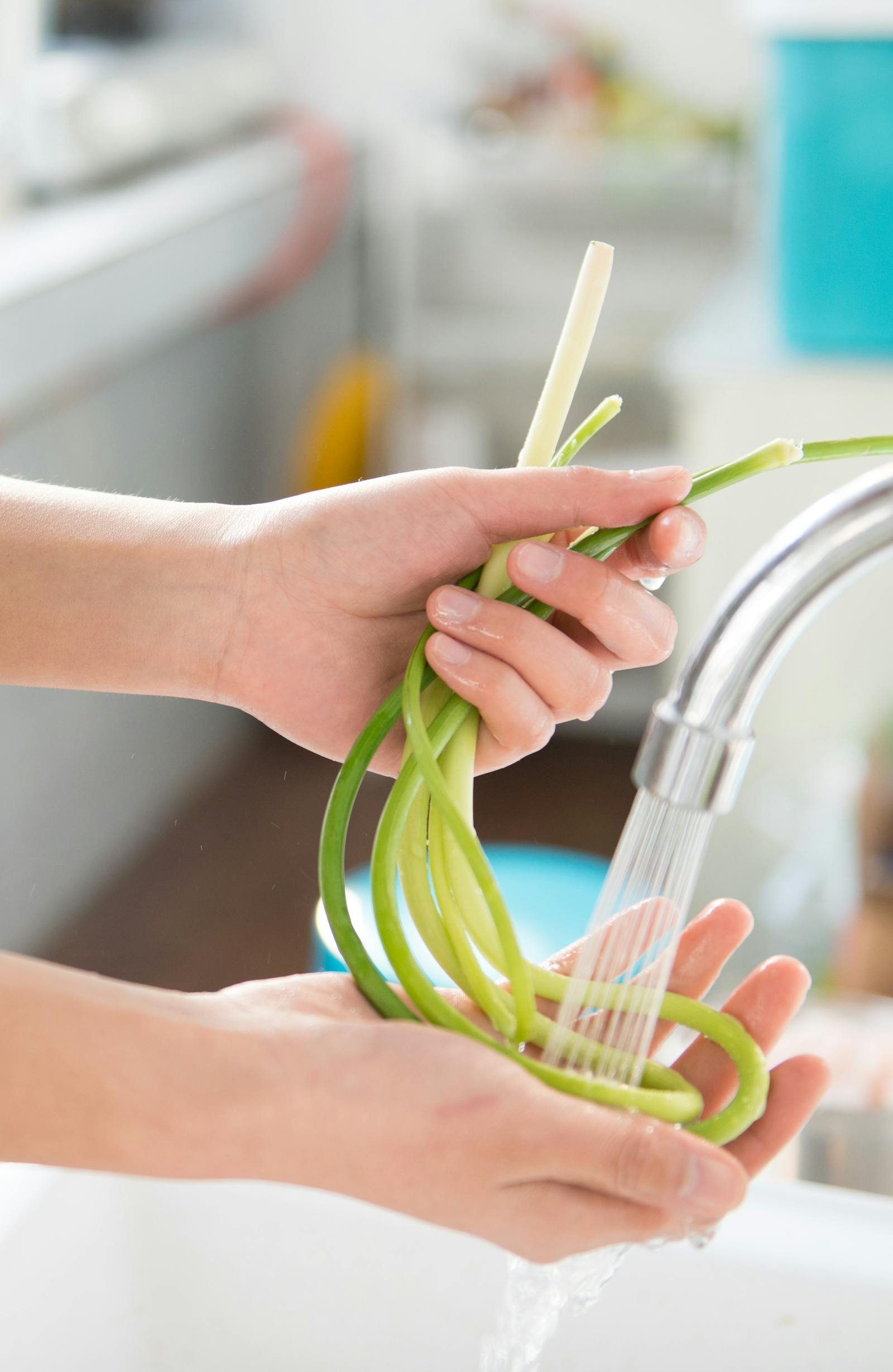
Garlic Scapes: The Curly Green Mystery at Your June Farmers Market
If you've wandered through a farmers market in the past week and spotted a tangle of curly green shoots looped into bundles, you've met one of the season's best-kept secrets. They're garlic scapes, and for a few short weeks in June they're one of the most exciting things on any table at the market. They're also one of the only ingredients you genuinely cannot buy at a grocery store. If you want them, the farmers market is essentially your only option.
That alone makes them worth a closer look.
What Exactly Is a Garlic Scape?
A garlic scape is the flower stalk of a hardneck garlic plant. Each spring, hardneck varieties send up a tall green shoot that curls into a loop as it grows, eventually trying to flower. Growers snip these stalks off in June for a simple reason: cutting the scape forces the plant to redirect its energy down into the bulb instead of up into a flower. No scape removal, smaller garlic heads come July.
For years, that meant scapes were a byproduct most farmers simply composted. Then chefs and market shoppers caught on, and the harvest-day throwaway became a sought-after early-summer delicacy.
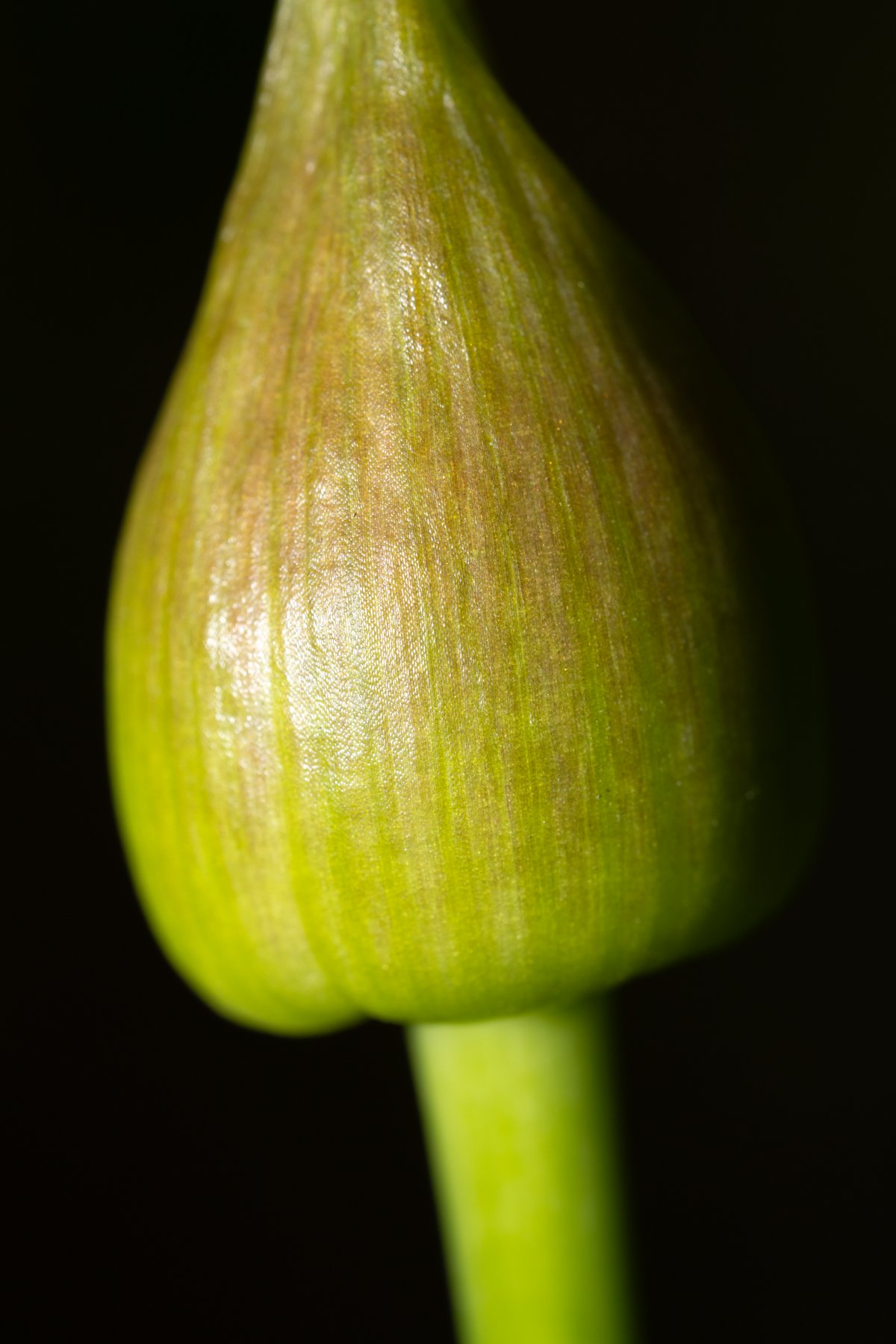
Here's the part that explains why you've never seen them at the supermarket: commercial garlic is almost always softneck garlic, a variety bred without a scape because it stores longer and ships better. Hardneck garlic — the kind that produces scapes — is grown mostly by small and regional farmers, the exact people who set up tables at your local market. So when you see scapes for sale, you're looking at produce that travels through almost no other channel.
What They Taste Like
The flavor is the best surprise. Scapes taste like garlic, but softer, greener, and grassier — closer to a cross between a scallion and a clove than to raw garlic itself. The bite is gentle enough that you can eat them raw without the harsh punch of a peeled clove, and cooking mellows them further into something sweet and almost nutty. The texture sits somewhere between a green bean and an asparagus spear: snappy when raw, tender when sautéed.
How to Pick the Best Ones
Choosing scapes at the market is easy once you know what to look for. Go for bright green stalks with firm, snappy stems — they should feel crisp, not rubbery or limp. Tightly coiled, slender scapes are younger and more tender, while thicker, straighter ones are slightly older and a little tougher (still good, just better cooked than raw). Skip any that look yellowed, dried at the cut ends, or wilted. A fresh scape will have a clean cut and stand up to a gentle bend without flopping.
Most vendors sell them by the bundle or the handful, and they're usually inexpensive — another reason June is the month to experiment.
What to Do With Them Before They're Gone
Scapes are endlessly useful, and a single bundle goes a long way. Here are the best ways to put them to work:
Garlic scape pesto. This is the classic, and for good reason. Blend a cup of chopped scapes with olive oil, parmesan, a handful of nuts (pine nuts, walnuts, or almonds all work), a squeeze of lemon, and salt. The result is brighter and milder than basil pesto. Toss it with pasta, spread it on toast, swirl it into soup, or use it as a marinade. It also freezes beautifully, which is the easiest way to stretch the season into winter.
Sautéed like a vegetable. Cut scapes into two-inch pieces and cook them in a hot pan with a little oil and salt, the same way you'd cook green beans or asparagus. Five or six minutes gives you a tender, slightly charred side dish with a gentle garlic sweetness.
Chopped raw into anything. Slice them thin and scatter over salads, fold into potato salad, stir into softened butter for a compound butter, or use them anywhere you'd want a mild garlic-onion note. They're excellent in scrambled eggs and frittatas.
Pickled. Quick-pickled scapes are a market favorite. Pack them into a jar, cover with a hot brine of vinegar, water, salt, and a little sugar, and refrigerate. In a couple of days you've got a tangy, garlicky snack that lasts for weeks and dresses up a cheese board or a sandwich.
Frozen for later. Wash, chop, and freeze them in a bag for up to six months. They lose a little of their raw snap but keep their flavor for cooking all year.
The Clock Is Ticking
Garlic scape season is one of the shortest windows at the entire market. Most growers cut them over just a few weeks in June, and once they're gone, they're gone until next summer. The good news is that they store well — a bundle wrapped in a damp paper towel inside a bag will keep in your fridge for up to two weeks, and pesto or pickles will carry the flavor much further.
So the next time you spot those curly green loops on a market table, don't walk past them. Grab a bundle, ask the grower how they like to cook them, and take home a taste of June you can't find anywhere else.